Education Policy Stances
U.S. House Candidates In PA-1
Brian Fitzpatrick (Republican)

Picture from brianfitzpatrick.com
Brian Fitzpatrick supports a limited but meaningful federal role in education, emphasizing local control while backing federal funding for key programs. He has supported federal investments in special education, school safety, and workforce development, but generally opposes heavy federal mandates on curriculum or school governance. Fitzpatrick believes education decisions should primarily be made by states, school districts, and parents, with the federal government acting as a partner that provides resources and oversight where necessary.
Bob Harvie (Democrat)
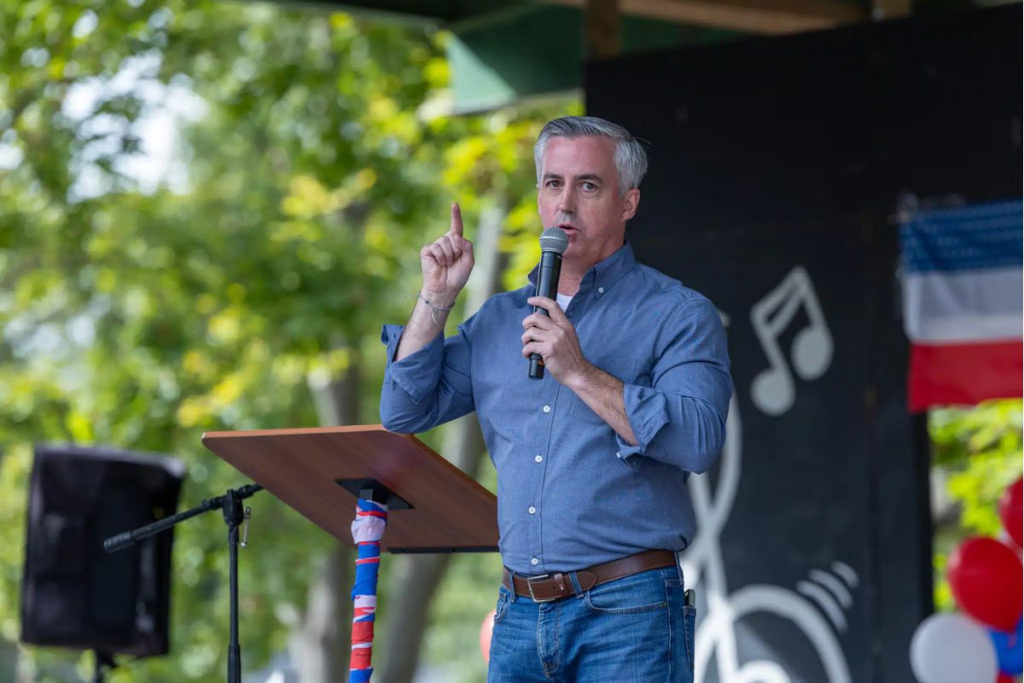
Photo curtesy of the Bob Harvie for congress campaign
Bob Harvie supports a stronger federal role in education to ensure equal access and adequate funding for all students. He emphasizes the importance of federal investment in public schools, special education, and programs that support low-income and underserved communities. Harvie views education as a public good and believes the federal government should help reduce disparities between school districts by providing funding, standards, and protections that ensure all students receive a quality education.
Tracy Hunt (Democrat-Former Republican)

Tracy Hunt (R) protests at the No Kings Rally in Langhorne on Oct. 18. Photo contributed.
Tracy Hunt views education as a key area where federal involvement is necessary to promote fairness and opportunity. While he has not released a detailed education platform, his public messaging suggests support for increased federal funding for public schools and student support services. Hunt generally aligns with the idea that the federal government should play an active role in addressing inequities in education and ensuring access regardless of zip code or family income.
Lucia Simonelli (Democrat)

Democrat Lucia Simonelli. From buckscountybeacon.com
Lucia Simonelli supports a strong federal role in education, particularly in funding and oversight of public schools. She has criticized underfunding of education and supports increased federal investment in public education, including early childhood education and higher education affordability. Simonelli opposes privatization efforts such as school vouchers and believes the federal government should ensure education policy prioritizes equity, accessibility, and public accountability.
Robert “Rob” Strickler (Democrat)
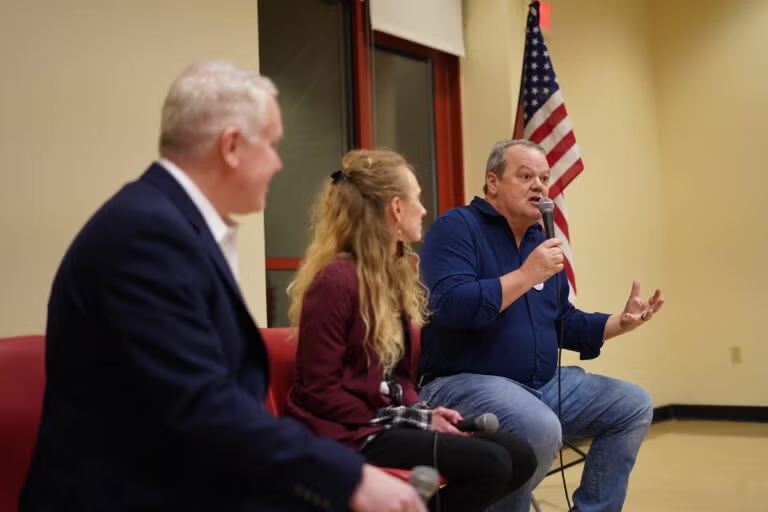
Democratic hopefuls Tracy Hunt, Lucia Simonelli and Rob Strickler held a town hall Tuesday, Jan. 13, 2026, at the Horsham Township Community Center. (Kenny Cooper/WHYY)
Robert “Rob” Strickler supports expanding federal involvement in education to strengthen public schools and reduce inequality. His messaging emphasizes the need for public investment and accountability to ensure students receive high-quality education regardless of background. Strickler views education as a shared national responsibility and supports a federal role in funding, protecting public education, and limiting the influence of private interests.
Pennsylvania Governor Race Candidates
Josh Shapiro (Democratic)

ShapiroPhotographer: Matt Rourke/AP Photo
Josh Shapiro supports a balanced approach where the federal government provides funding and broad standards while states maintain control over education policy. As governor, he has emphasized increased education funding, teacher support, and workforce training, while advocating for flexibility in how states use federal funds. Shapiro believes federal involvement should focus on equity, access, and resources rather than micromanaging classrooms.
Stacy Garrity (Republican)

State Treasurer Stacy Garrity could become the state’s first female governor if she wins next year. Photo: Tom Williams/CQ-Roll Call via Getty
Stacy Garrity supports a limited federal role in education and emphasizes parental rights, local control, and state authority. She opposes increased federal mandates and favors reducing federal influence over curriculum and school operations. Garrity supports school choice initiatives and believes education decisions should be driven primarily by families and local communities, with minimal federal intervention.
Bucks County Commissioners Race Candidates
Diane M. Ellis-Marseglia (Democrat)

Diane Ellis-Marseglia (Courtesy of Bucks United)
Diane M. Ellis-Marseglia, at the county level, focuses on supporting education through local governance and funding partnerships. While she does not set federal education policy, her work reflects support for public education and student services through responsible allocation of government resources. Her approach aligns with the view that government has a role in supporting schools while working closely with local institutions.
Robert J. “Bob” Harvie Jr. (Democrat)
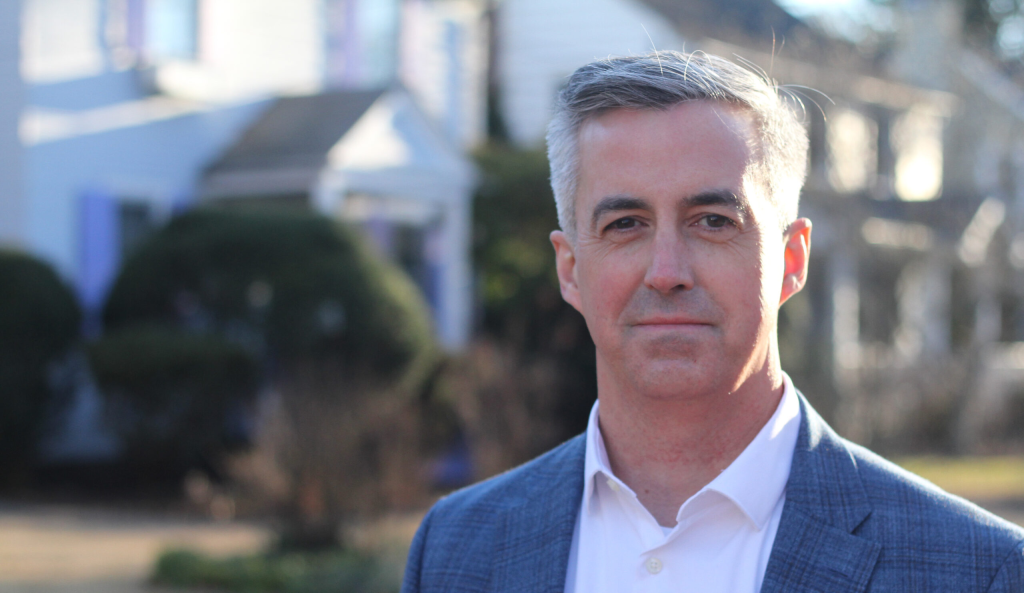
From bobharvieforcongress.com
Robert J. “Bob” Harvie Jr. supports public education funding and services that ensure students’ needs are met at the local level. He generally views education as a public responsibility and supports government involvement to maintain quality schools and student support systems. While his role is local, his approach aligns with a belief that higher levels of government, including the federal government, should help fund and support education where needed.
Gene DiGirolamo (Republican)

Commissioner Gene DiGirolamo making remarks. Credit: Tom Sofield/LevittownNow.com
Gene DiGirolamo favors limited federal involvement in education and supports local and state control over school policy. He emphasizes fiscal responsibility and is cautious about federal mandates that could increase costs or reduce flexibility for local districts. DiGirolamo’s views reflect the belief that education decisions are best made close to the community, with the federal government playing a minimal, supportive role.