Economic Policy Stances
U.S. House Candidates In PA-1
Brian Fitzpatrick (Republican)

Picture from brianfitzpatrick.com
Brian Fitzpatrick supports an economic approach centered on tax relief, small business support, and bipartisan stability. He emphasizes lowering costs for families, encouraging private-sector job growth, and investing selectively in infrastructure and workforce development. Fitzpatrick believes the economy is strongest when government creates a predictable environment for businesses while stepping in to support innovation, public safety, and critical services without excessive regulation or deficit spending.
Bob Harvie (Democrat)
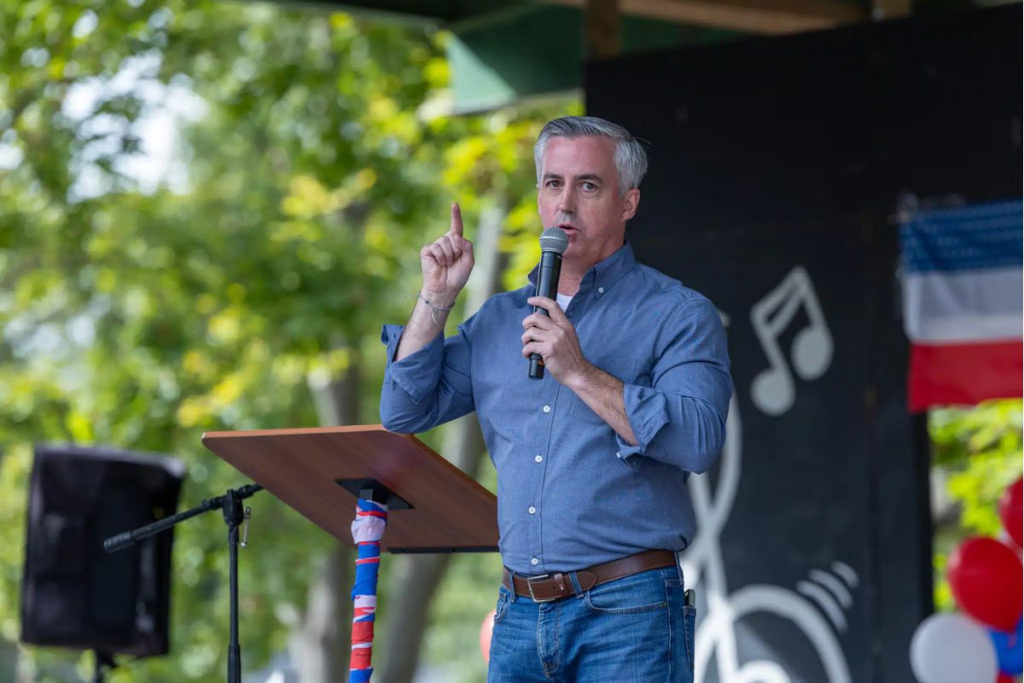
Photo curtesy of the Bob Harvie for congress campaign
Bob Harvie supports strengthening the economy through public investment, worker protections, and policies aimed at affordability. He emphasizes raising wages, supporting small businesses, and investing in infrastructure, healthcare, and education as drivers of long-term economic growth. Harvie views government as a key partner in building a strong economy that works for working families, arguing that broad-based growth comes from investing in people and communities rather than relying solely on market forces.
Tracy Hunt (Democrat-Former Republican)

Tracy Hunt (R) protests at the No Kings Rally in Langhorne on Oct. 18. Photo contributed.
Tracy Hunt frames economic growth around fairness, opportunity, and reducing inequality. While he has not released a detailed economic platform, his public comments suggest support for policies that raise incomes, lower living costs, and reduce the influence of large corporations over the economy. Hunt believes the economy grows strongest when working people are financially secure and when government takes an active role in correcting imbalances that limit opportunity.
Lucia Simonelli (Democrat)

Democrat Lucia Simonelli. From buckscountybeacon.com
Lucia Simonelli supports a government-led economic strategy focused on equity, sustainability, and public investment. She argues that the economy should prioritize people over corporate profits and supports policies such as stronger labor protections, public infrastructure investment, and expanded social programs. Simonelli believes long-term economic growth comes from reducing inequality, investing in public goods, and transitioning toward a more sustainable and inclusive economic system.
Robert “Rob” Strickler (Democrat)
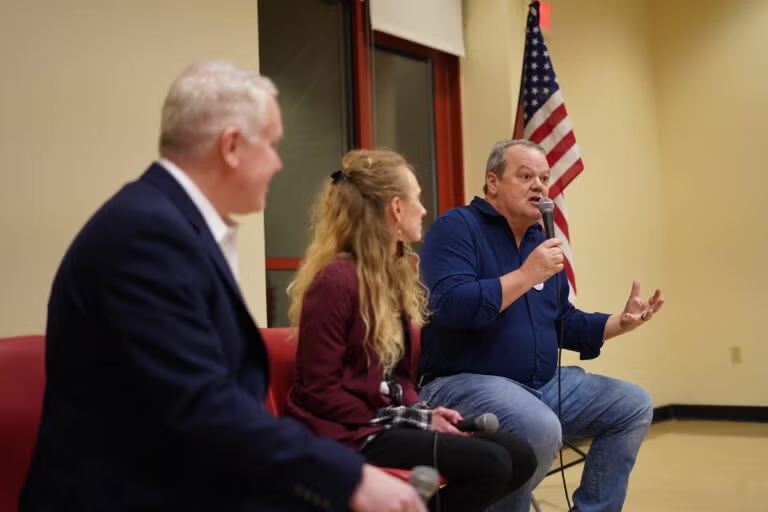
Democratic hopefuls Tracy Hunt, Lucia Simonelli and Rob Strickler held a town hall Tuesday, Jan. 13, 2026, at the Horsham Township Community Center. (Kenny Cooper/WHYY)
Robert “Rob” Strickler supports restructuring economic priorities to favor workers and small businesses rather than large corporate interests. His messaging emphasizes reducing the influence of money in politics, strengthening labor rights, and investing in public services as engines of economic growth. Strickler views government as an essential actor in shaping an economy that delivers stability, opportunity, and fairness for the majority of people.
Pennsylvania Governor Race Candidates
Josh Shapiro (Democratic)

ShapiroPhotographer: Matt Rourke/AP Photo
Josh Shapiro supports a balanced economic strategy that combines business growth with public investment. As governor, he has emphasized attracting employers to Pennsylvania, supporting workforce development, and investing in infrastructure while maintaining fiscal responsibility. Shapiro believes economic growth is strongest when government partners with the private sector, supports innovation, and ensures workers have access to education, training, and opportunity.
Stacy Garrity (Republican)

State Treasurer Stacy Garrity could become the state’s first female governor if she wins next year. Photo: Tom Williams/CQ-Roll Call via Getty
Stacy Garrity supports an economic approach focused on lower taxes, reduced government spending, and limited regulation. She believes economic growth is driven primarily by private enterprise and that government should avoid policies that increase costs for businesses and taxpayers. Garrity emphasizes fiscal restraint, energy independence, and market-driven solutions as the best path to a strong economy.
Bucks County Commissioners Race Candidates
Diane M. Ellis-Marseglia (Democrat)

Diane Ellis-Marseglia (Courtesy of Bucks United)
Diane M. Ellis-Marseglia, at the county level, focuses on economic growth through responsible budgeting, infrastructure investment, and support for local services. While she does not set national economic policy, her approach reflects the belief that government can strengthen the economy by maintaining stable public services, supporting development, and investing in community well-being. She emphasizes practical governance to promote steady, local economic growth.
Robert J. “Bob” Harvie Jr. (Democrat)
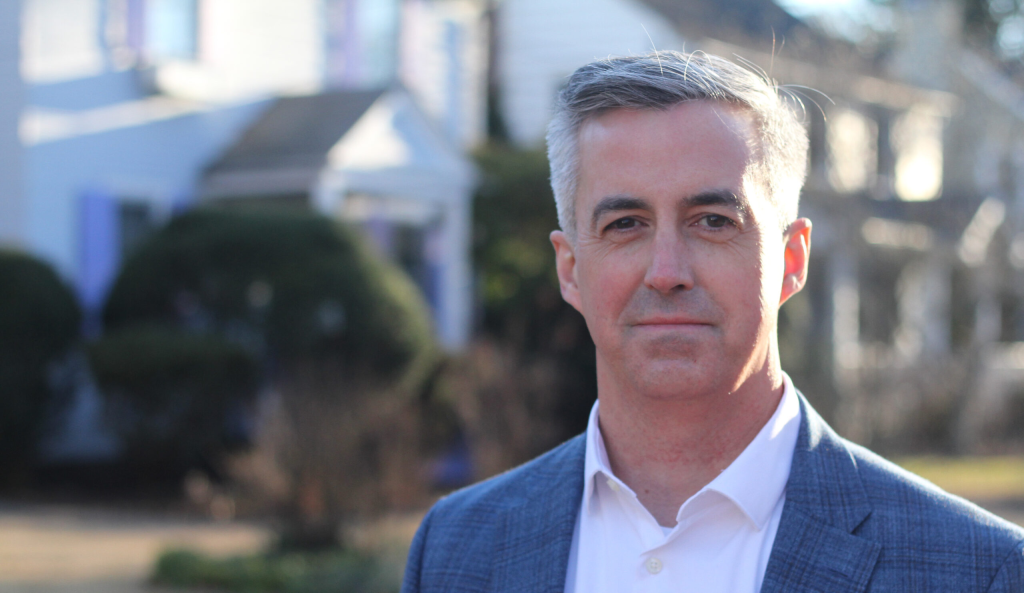
From bobharvieforcongress.com
Robert J. “Bob” Harvie Jr. supports economic growth through public investment, workforce support, and stable local governance. As a county commissioner, he has emphasized balanced budgets while funding infrastructure, public safety, and social services that support economic stability. Harvie Jr. believes strong local economies depend on government investment that creates long-term opportunity and resilience.
Gene DiGirolamo (Republican)

Commissioner Gene DiGirolamo making remarks. Credit: Tom Sofield/LevittownNow.com
Gene DiGirolamo favors an economic strategy centered on fiscal discipline, low taxes, and efficient government. He emphasizes creating a business-friendly environment, limiting government spending, and avoiding policies that could increase costs for taxpayers. DiGirolamo believes economic growth is strongest when government remains restrained and allows private enterprise and local decision-making to drive development.