International Role Stances
U.S. House Candidates In PA-1
Brian Fitzpatrick (Republican)

Picture from brianfitzpatrick.com
Brian Fitzpatrick supports an active but pragmatic U.S. role in global affairs, emphasizing strong alliances, national security, and diplomacy. He favors maintaining close relationships with NATO allies, supporting democratic partners abroad, and using U.S. leadership to promote stability and human rights. Fitzpatrick generally supports a strong military as a deterrent while preferring diplomatic solutions when possible, and he often frames foreign policy around bipartisan cooperation and protecting U.S. interests without unnecessary military intervention.
Bob Harvie (Democrat)
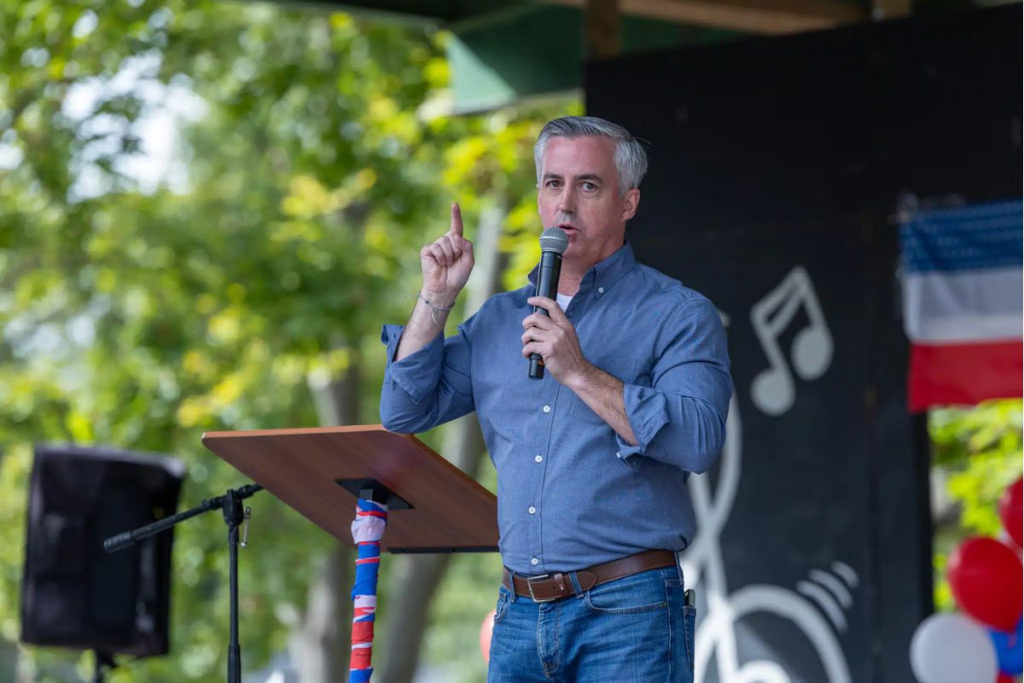
Photo curtesy of the Bob Harvie for congress campaign
Bob Harvie supports an engaged U.S. role in the world that prioritizes diplomacy, alliances, and international cooperation. He emphasizes working with global partners to address shared challenges such as security, public health, and climate change. Harvie views diplomacy and multilateral institutions as key tools for maintaining peace and stability and generally favors using military force only as a last resort, with an emphasis on protecting human rights and democratic values.
Tracy Hunt (Democrat-Former Republican)

Tracy Hunt (R) protests at the No Kings Rally in Langhorne on Oct. 18. Photo contributed.
Tracy Hunt frames foreign policy around fairness, restraint, and accountability. While he has not released a detailed foreign policy platform, his public messaging suggests skepticism toward endless military involvement abroad and support for prioritizing diplomacy over force. Hunt generally supports a U.S. role that focuses on peacebuilding, humanitarian engagement, and addressing global inequality while avoiding costly foreign conflicts that divert resources from domestic needs.
Lucia Simonelli (Democrat)

Democrat Lucia Simonelli. From buckscountybeacon.com
Lucia Simonelli supports a foreign policy that significantly reduces U.S. military intervention and prioritizes diplomacy, human rights, and global cooperation. She is critical of prolonged military engagements and supports redirecting resources toward humanitarian aid, international development, and climate cooperation. Simonelli believes the U.S. should lead by example through peaceful engagement rather than military dominance and emphasizes international solidarity over unilateral action.
Robert “Rob” Strickler (Democrat)
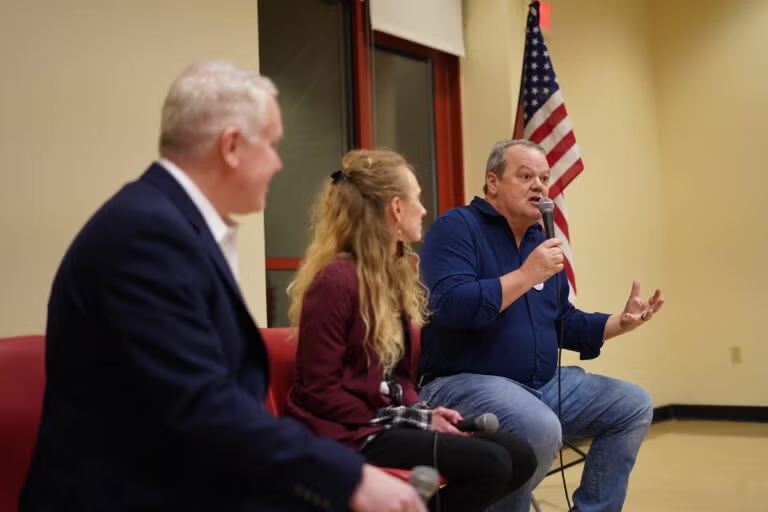
Democratic hopefuls Tracy Hunt, Lucia Simonelli and Rob Strickler held a town hall Tuesday, Jan. 13, 2026, at the Horsham Township Community Center. (Kenny Cooper/WHYY)
Robert “Rob” Strickler supports a foreign policy centered on diplomacy, global cooperation, and limiting corporate and military influence over international decisions. While he has not detailed specific policies, his messaging suggests opposition to unnecessary military interventions and support for strengthening international institutions. Strickler views global engagement as important but believes U.S. leadership should focus on peace, accountability, and shared global progress.
Pennsylvania Governor Race Candidates
Josh Shapiro (Democratic)

ShapiroPhotographer: Matt Rourke/AP Photo
Josh Shapiro supports a traditional U.S. leadership role in global affairs that balances diplomacy, defense, and economic engagement. He emphasizes strong alliances, support for democratic partners, and a rules-based international order. Shapiro generally supports maintaining a strong national defense while prioritizing diplomacy and international cooperation to prevent conflict and promote global stability.
Stacy Garrity (Republican)

State Treasurer Stacy Garrity could become the state’s first female governor if she wins next year. Photo: Tom Williams/CQ-Roll Call via Getty
Stacy Garrity supports a foreign policy focused on national security, military strength, and American sovereignty. She favors prioritizing U.S. interests in global affairs and is cautious about international agreements that could limit U.S. autonomy. Garrity supports a strong military presence as a deterrent and emphasizes security partnerships that directly benefit American safety and economic interests.
Bucks County Commissioners Race Candidates
Diane M. Ellis-Marseglia (Democrat)

Diane Ellis-Marseglia (Courtesy of Bucks United)
Diane M. Ellis-Marseglia, as a county official, does not shape national foreign policy, but her general governance approach aligns with supporting stable democratic institutions and international cooperation when it benefits local communities. Her perspective reflects a belief that global stability and strong international relationships can have positive impacts at home, particularly through economic and humanitarian engagement.
Robert J. “Bob” Harvie Jr. (Democrat)

From bobharvieforcongress.com
Robert J. “Bob” Harvie Jr., while serving at the local level, generally aligns with a foreign policy outlook that supports diplomacy, alliances, and international cooperation. His broader political approach suggests support for U.S. engagement that promotes peace and global stability rather than extensive military involvement, with an emphasis on responsible leadership and cooperation with allies.
Gene DiGirolamo (Republican)

Commissioner Gene DiGirolamo making remarks. Credit: Tom Sofield/LevittownNow.com
Gene DiGirolamo supports a cautious and security-focused approach to U.S. involvement abroad. While not a federal policymaker, his views align with prioritizing national defense, border security, and protecting U.S. interests. DiGirolamo generally favors limited foreign intervention and emphasizes that U.S. global engagement should be carefully weighed against costs and domestic priorities.